
Frequently Asked Questions (FAQS) Cruise Ship Passengers Anchor Port Benoa, Bali
Frequently Asked Questions: cruise ship passengers anchor in Bali, a style guide covering common questions about anchoring at Port Benoa, and the associated procedures for passengers

Here’s a helpful FAQ guide for cruise passengers arriving at Port Benoa Bali:

Why do cruise ships anchor offshore at Port Benoa?
Port Benoa features two main berths—the East and South—capable of accommodating many ships, anchoring offshore, and tendering passengers directly ashore.
Where is the Port of Benoa, and how do ships dock?
Port of Benoa is located in Tanjung Benoa, on Bali’s southern peninsula near Nusa Dua, Sanur, Kuta, and Jimbaran. Most cruise ships dock here or anchor offshore
What transportation options are available for a tour in Bali?
- Taxi meter: Available outside the terminal; price is not fixed, and the driver does not speak English
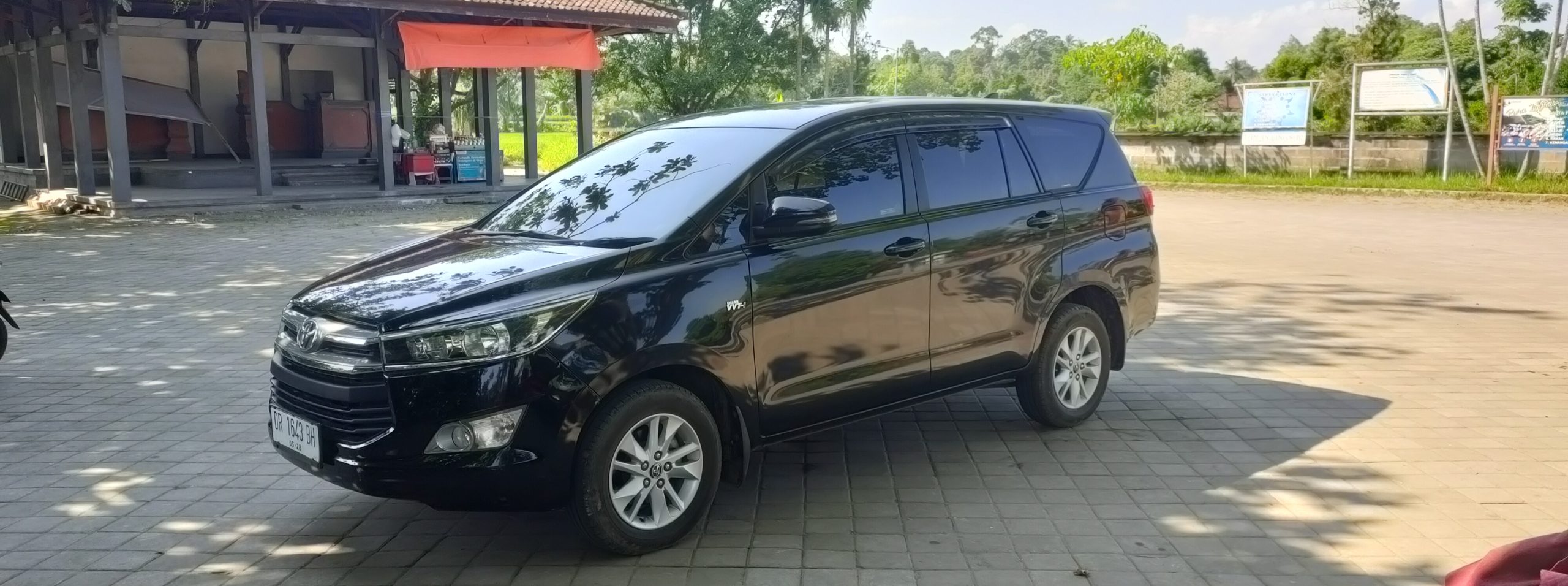
- Private tour: Ideal for full-day excursions booked via tour operators. Lombok Travel Agency (WhatsApp to +62 818 365 070) 2-5 People Qjang Innova & 6-10 Toyota HiAce & 10-up Bus

How to book a tour? (asked bali questions)
- Email or WhatsApp us the arrival date in Lombok to +62 818 365 070
- Send us the full name & name of the cruise ship.
- We need a deposit of 30% of the total amount, send to PayPal or our bank account
- The balance payment will be collect on the arrival in Port Lembar
- Confirmation the Payment will be sent after the deposit sent
Term of Payment tour in Bali
- Deposit payment: you can pay to our Bank Account or PayPal
- We are not responsible for any taxes.
- The balance you must pay in cash on tour
Cancellation policy tour in Bali
- All payment refunds will be issued for cancellations made up to 7 days.
- A 50% charge applies for cancellations within 5 days
- A full charge is applicable for cancellations within 48 hours.
How to pay for something in Bali?
Carry smaller denominations (IDR 20,000, 50,000, 100,000), as vendors may not have change for large bills, and many smaller shops, street vendors, markets, parking, and local services almost always require cash and don’t accept cards
-
Banknotes: Rp 1,000, 2,000, 5,000, 10,000, 20,000, 50,000, and 100,000
- Coins: Rp 1000, 500, 200 & 100
Visa and MasterCard are accepted at hotels, restaurants, shops, and convenience stores like Indomaret and Alfamart
What should I pack for the tour? (frequently asked bali questions)
Visit the temple; dress modestly and cover shoulders and knees. Sarongs or shawls are available at the temple.
What religion is on Bali Island? (frequently ask Bali questions)
- About 85–90% of Bali people are Hindu, and the rest follow Islam, Christianity, or Buddhism.
- Rituals, ceremonies, and offerings are central to daily life, and you see temples everywhere on the island.
Favorite Temples Visited by Cruise Ships Passengers in Bali
- Tanah Lot
A top choice for cruise excursions thanks to its dramatic coastal perch and photogenic sunset view - Uluwatu Temple
Perched atop a cliff overlooking the ocean, Uluwatu adds cultural flair with its famed Kecak fire-dance performances at sunset—another favorite accessible via cruise tours - Pura Taman Ayun (Mengwi)
Included in popular half-day or full-day itineraries from Benoa, Taman Ayun’s tranquil layout and lush surroundings make it a peaceful contrast to coastal temples - Ulun Danu Bratan
This lake-side temple offers a calm and picturesque stop—often bundled with visits to Mengwi and the Monkey Forest in cruise-land excursions - Besakih Temple (Mother Temple)
A grand and spiritually significant complex on Mount Agung’s slopes, sometimes included in more extensive shore excursions for travelers seeking cultural depth
Bali Island: the main languages spoken are (frequently asked Bali questions)
- Balinese Language: It has different speech levels depending on formality and social status (low, middle, and high Balinese). It’s used in ceremonies and cultural settings.
- Indonesian Language: The national language of Indonesia, widely used in schools and government, media, and business. Most Balinese are bilingual in Balinese and Indonesian.
- English: Commonly spoken in tourist areas
Traditional Bali Food (frequently asked bali questions)
Balinese cuisine is deeply spiced. Common elements include sambal (spicy chili paste), rice as a staple, and plenty of herbs.
- Nasi Campur: A mixed plate of rice with small portions of meat, vegetables, peanuts, egg, and sambal.
- Babi Guling: Suckling pig, available at specialty restaurant
- Bebek Betutu: Slow-cooked duck stuffed with herbs and wrapped in banana leaves.
- Lawar: A mix of minced meat, coconut, and spices (sometimes includes blood).
- Sate Lilit: Minced fish or meat satay wrapped around lemongrass sticks.
- Ayam Betutu: Spiced chicken cooked in banana leaves.
Drinks & Snacks (frequently asked questions)
- Es Campur—Shaved ice with fruit, jelly, syrup, and condensed milk.
- Arak—Balinese distilled spirit (be careful, as quality varies).
- Jamu—A traditional herbal tonic (often turmeric-based).
- Pisang Goreng—Fried banana snack, often drizzled with honey or chocolate.
Politeness in conversation in Bali (frequently asked questions)
Greetings in Bali:
- Om Swastyastu,” a traditional Balinese Hindu greeting meaning may peace be with you.
- Selamat pagi/siang/sore/malam” are Indonesian greetings for morning/afternoon/evening/night.
- Smiling is important; it’s a sign of friendliness and respect.
- Say, “Excuse me “”for interrupting.”
- Saying, Thank you, after receiving help.
Conversational Style in Bali
- Avoid speaking too loudly or showing anger in public
- Use indirect speech to decline offers or disagree politely
- Balinese people often ask about family, where you’re staying, or where you’re going; this is friendly small talk, not intrusion.
Cultural Touchpoints
- Receive or give something, use the right hand & left hand is impolite
- Nod or give a slight bow, greeting elders.
- Humor and light conversation are common ways to build closeness.
Bali Souvenirs
Bali has a huge variety of souvenirs, ranging from traditional handicrafts to unique local products. Here are some of the most popular things you can bring home:
Traditional Handicrafts
- Wood carvings—Balinese statues, masks, and figurines.
- Batik—Hand-painted or stamped fabric with traditional patterns.
- Ikat textiles—woven fabrics with symbolic patterns.
Food & Drink (frequently asked bali questions)
- Kopi Luwak
- Balinese coffee & tea blends
- Spices & herbal mixes
Fashion
- Sarongs, Lightweight, colorful, and useful at the temple or the beach.
- Casual resort wear—flowy dresses, shirts, and beachwear.
Is a cellular phone active in Bali? (frequently asked questions)
Yes, your phone will work. Please set up Home Roaming.
- You can use your existing SIM card via international roaming
- For short tourist visits, might be fine
- Your phone doesn’t need any official registration, as you’re not using local services