
The Mount Rinjani Situation Changes Every Year
The Mount Rinjani situation changes. Every year, natural landmarks. Its trails shift, forests grow and renew, weather patterns fluctuate and evolve, and its volcanic heartbeat continues to shape the land. These annual changes are not merely natural processes; they are lessons in resilience, adaptation, and respect for the environment.
Mount Rinjani is to recognize that the mountain we see today is not the same as the one we saw years ago. Each season brings new conditions, new challenges, and new beauty. This preface acknowledges the mountain’s dynamic nature and invites every visitor, researcher, and guardian to approach Rinjani with awareness, humility, and care for its ever-changing landscape.
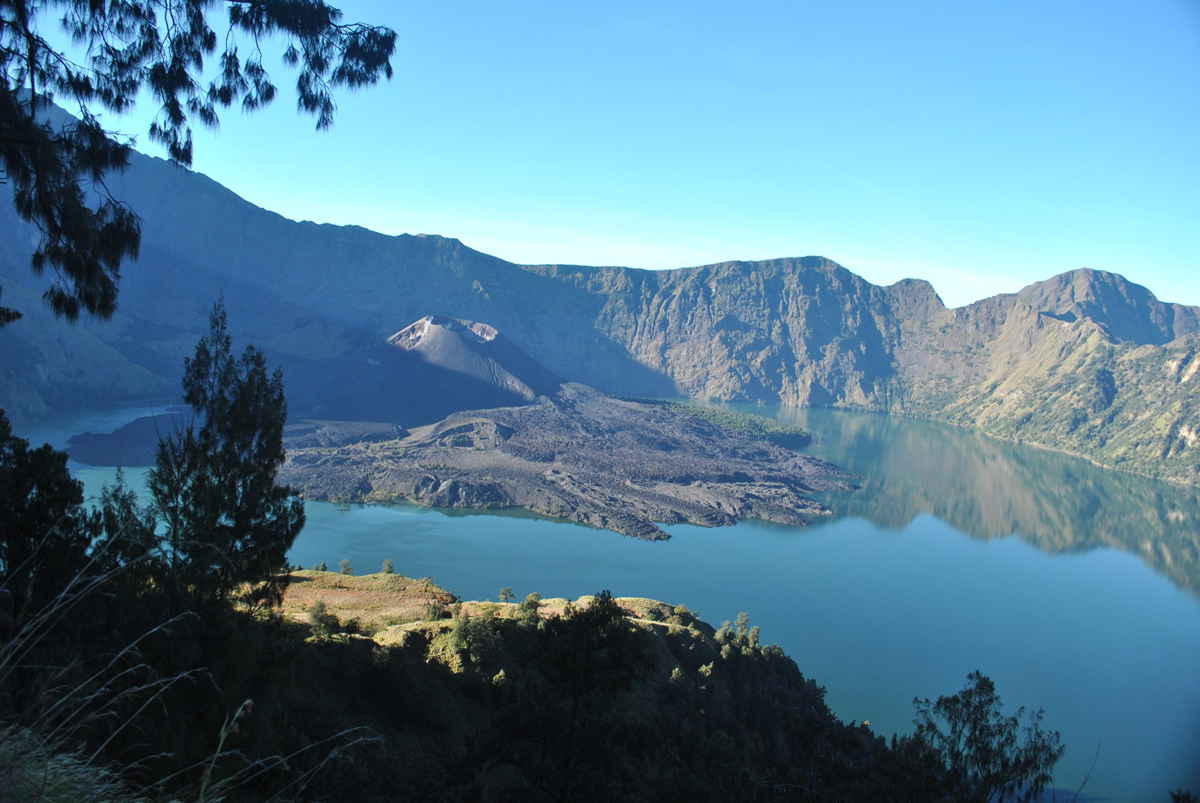
What changes at Mount Rinjani each year?
- Weather patterns (start/end of rainy season, temperatures)
- Trail conditions (erosion, landslides, maintenance work)
- Regulations (opening/closing dates, quotas, permits)
- Volcanic activity level (alert statuses can change)
- Vegetation and ecosystem variations
Several natural processes continually reshape Rinjani’s landscape:
Ongoing Volcanic Activity (Mount Rinjani Every Year)
Rinjani and its smaller volcanic cone, Barujari, frequently erupt or release gases, ash, and lava. Even small eruptions can:
- Create new lava flows
- Build or destroy cones
- Alter the shape of the caldera
Earthquakes and Tectonic Movement
Rinjani sits on the Sunda Arc, where the Australian Plate subducts beneath the Eurasian Plate. This causes:
- Frequent seismic activity
- Uplift or subsidence of land
- Cracks in the crater rim
- These movements subtly reshape the volcano over time.
Erosion (mount Rinjani every year)
Wind, rain, and landslides continually erode and reshape the slopes:
- Heavy tropical rains cut new gullies
- Landslides change the contour of the crater
- Sediment moves into the Segara Anak lake
- Lake Level and Hydrothermal Activity
Segara Anak, the lake inside Rinjani’s caldera, changes in depth and shoreline (mount Rinjani every year)
- Rainfall variations
- Water heating from volcanic activity
- Formation of new hot springs
Climatic Influences (Mount Rinjani Every Year)
Seasonal changes affect vegetation cover, soil stability, and erosion patterns, making the mountain look different year to year.