
Safety Trekking Mount Rinjani – Travel Guide
Safety Trekking Mount Rinjani is the highest priority. With steep trails, changing weather, high altitude, rocky terrain, and long walking hours, a Rinjani trek requires proper preparation, responsible decisions, and respect for the mountain environment.
Trekkers should understand the route, weather conditions, physical demands, and basic safety procedures. Experienced guides and porters can provide valuable assistance, including route guidance, pace management, food preparation, campsite support, and help during difficult sections of the trek.
Trekking safely also means knowing your personal limits. If weather conditions become dangerous or a trekker experiences serious fatigue, injury, altitude-related symptoms, or other problems, the trekking plan may need to be adjusted for safety.
With good preparation, suitable equipment, responsible guiding, and cooperation from every trekker, exploring Mount Rinjani can be a challenging but rewarding experience while keeping safety at the center of the journey.
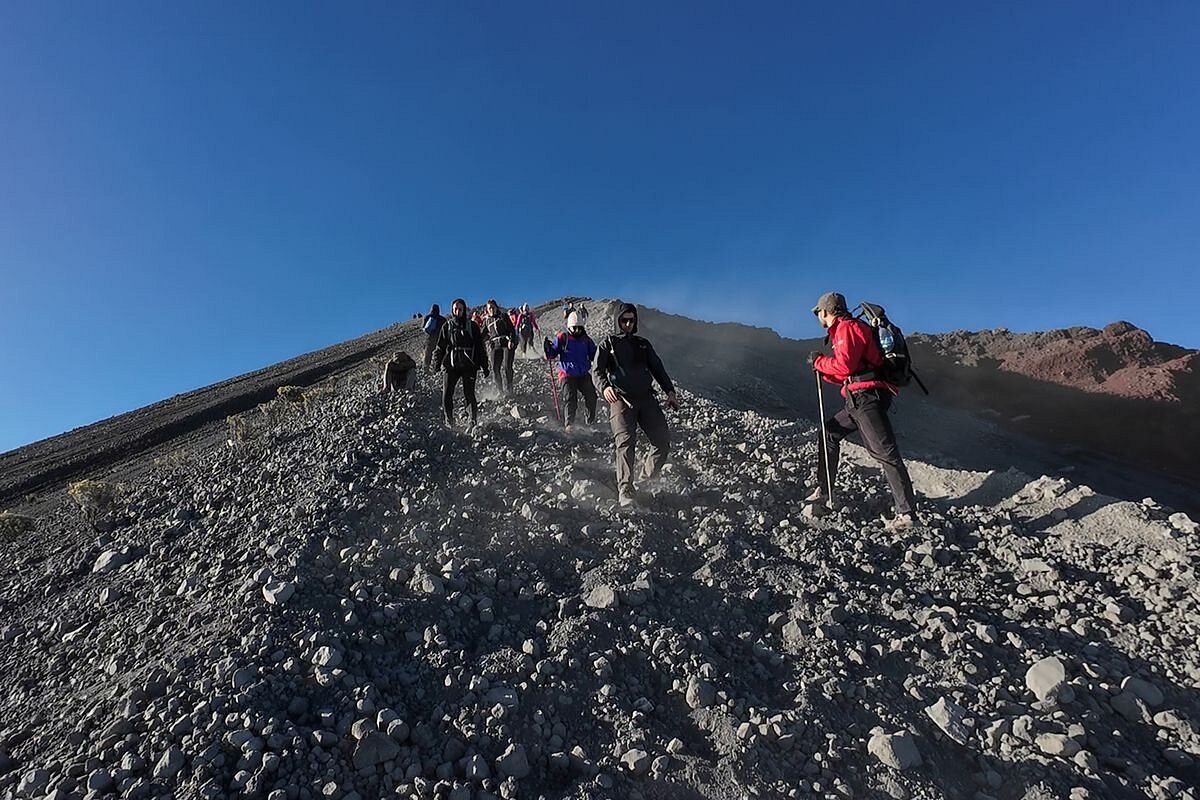
How to Trek Mount Rinjani Safely
Trekking Mount Rinjani can be a rewarding adventure, but the mountain requires good preparation and responsible decisions. The trails include steep climbs, loose and rocky terrain, cold temperatures, strong winds, and rapidly changing weather. Follow these key safety guidelines:
- Choose a route suitable for your fitness level
Understand the distance, elevation gain, trekking hours, and difficulty of your chosen route before booking. - Use an experienced guide
A qualified local guide can help with navigation, pacing, weather awareness, campsite arrangements, and emergency situations. - Check the weather and official conditions
Always follow current information and instructions from the relevant Rinjani National Park authorities. Trekking routes can be restricted or closed because of weather, volcanic activity, or other safety concerns. - Prepare appropriate equipment
Bring proper hiking shoes, warm and waterproof clothing, rain protection, a headlamp, sleeping equipment, personal medication, a first-aid kit, and sufficient drinking water. - Do not rush the climb
Maintain a steady pace and take regular breaks. The steep sections, particularly around the summit route, can be physically demanding. - Stay with your group
Avoid walking alone or leaving the designated trail. Keep communication with your guide and trekking companions, especially in poor visibility. - Protect yourself from cold and weather changes
Temperatures can become very cold at higher elevations, particularly before sunrise. Keep your body and clothing dry and carry protection against wind and rain. - Recognize signs of physical problems
Severe dizziness, confusion, unusual weakness, breathing difficulties, persistent vomiting, or other serious symptoms should never be ignored. Inform your guide immediately and follow their safety instructions. - Be especially careful on steep and loose terrain
Walk carefully on rocky slopes, descents, and sandy sections. Maintain distance from other trekkers where falling rocks or loose ground could be a concern. - Respect safety decisions
Reaching the summit is not more important than returning safely. If weather or trail conditions become dangerous, be prepared to turn back or change the itinerary. - Keep the mountain clean
Carry your rubbish back with you, avoid damaging plants, and respect the natural environment and other trekkers. - Have an emergency plan
Before departure, make sure your guide or trekking operator knows the group members, route, accommodation details, and emergency contacts.
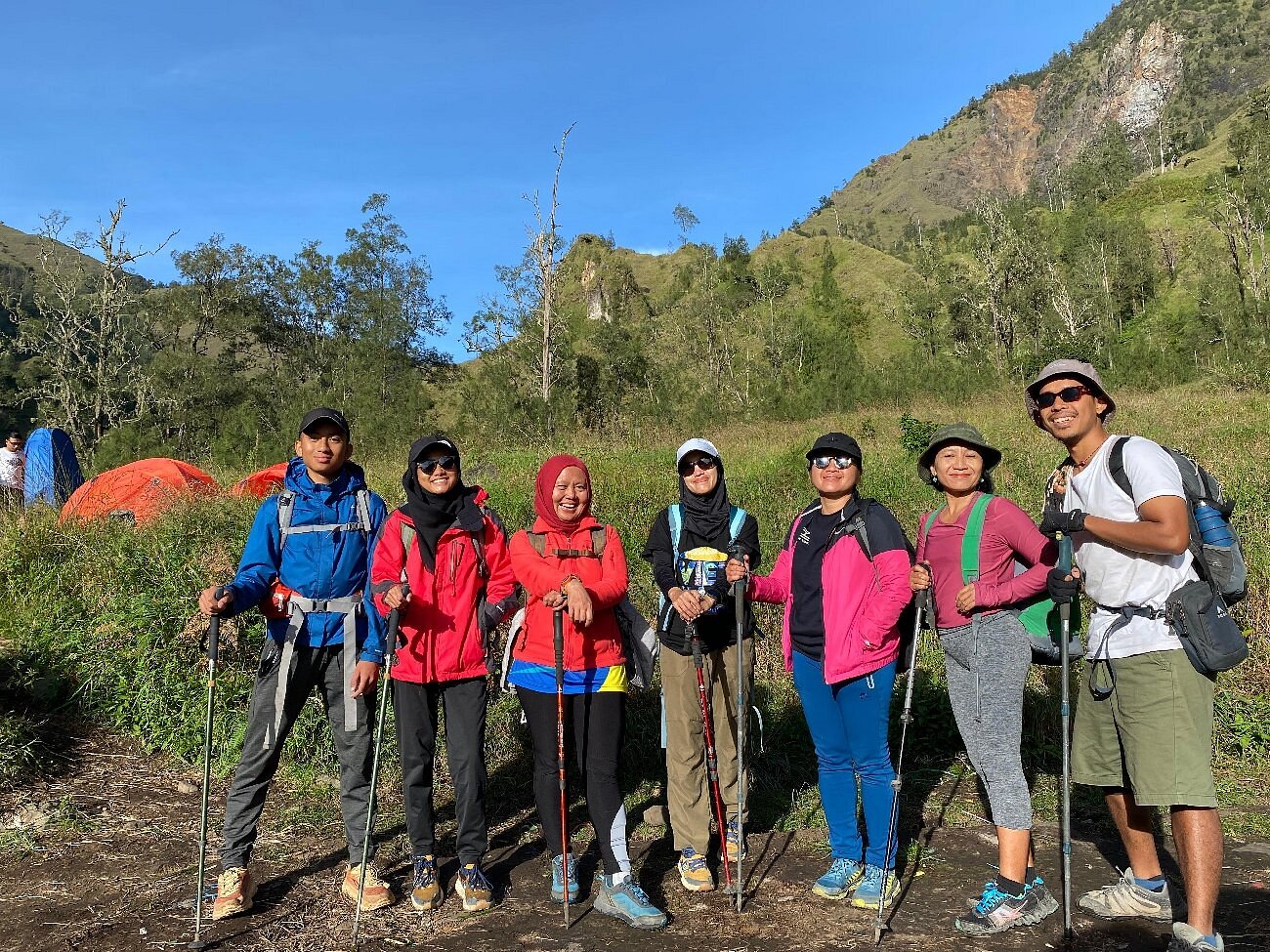
The Most Important Rule Safety Trekking Mount Rinjani
Safety comes before the summit. Proper preparation, suitable equipment, experienced guidance, and the willingness to change plans when conditions are unsafe are the best ways to enjoy Mount Rinjani responsibly.
What to Prepare for Trekking Mount Rinjani
Proper preparation is essential before trekking Mount Rinjani. The trails can be steep and demanding, while conditions at higher elevations can be cold, windy, and unpredictable. Preparing the right equipment, clothing, food, and personal items will make the trek safer and more comfortable.
- Physical Preparation
- Train your legs and cardiovascular fitness before the trek.
- Practice walking or hiking on uphill and downhill terrain.
- Build endurance gradually, especially if you are not accustomed to long hikes.
- Get enough rest and sleep before starting the trek.
- Essential Trekking Equipment
- Comfortable hiking shoes with good grip
- Hiking socks and spare pairs
- Headlamp or flashlight with extra batteries
- Trekking poles
- Backpack with a rain cover
- Reusable water bottle or hydration system
- Sleeping bag and appropriate sleeping equipment
- Personal first-aid supplies
- Clothing for Cold and Changing Weather
- Quick-dry trekking shirts
- Warm jacket or fleece
- Windproof and waterproof jacket
- Long trekking pants
- Warm hat and gloves
- Extra dry clothes
- Rain protection
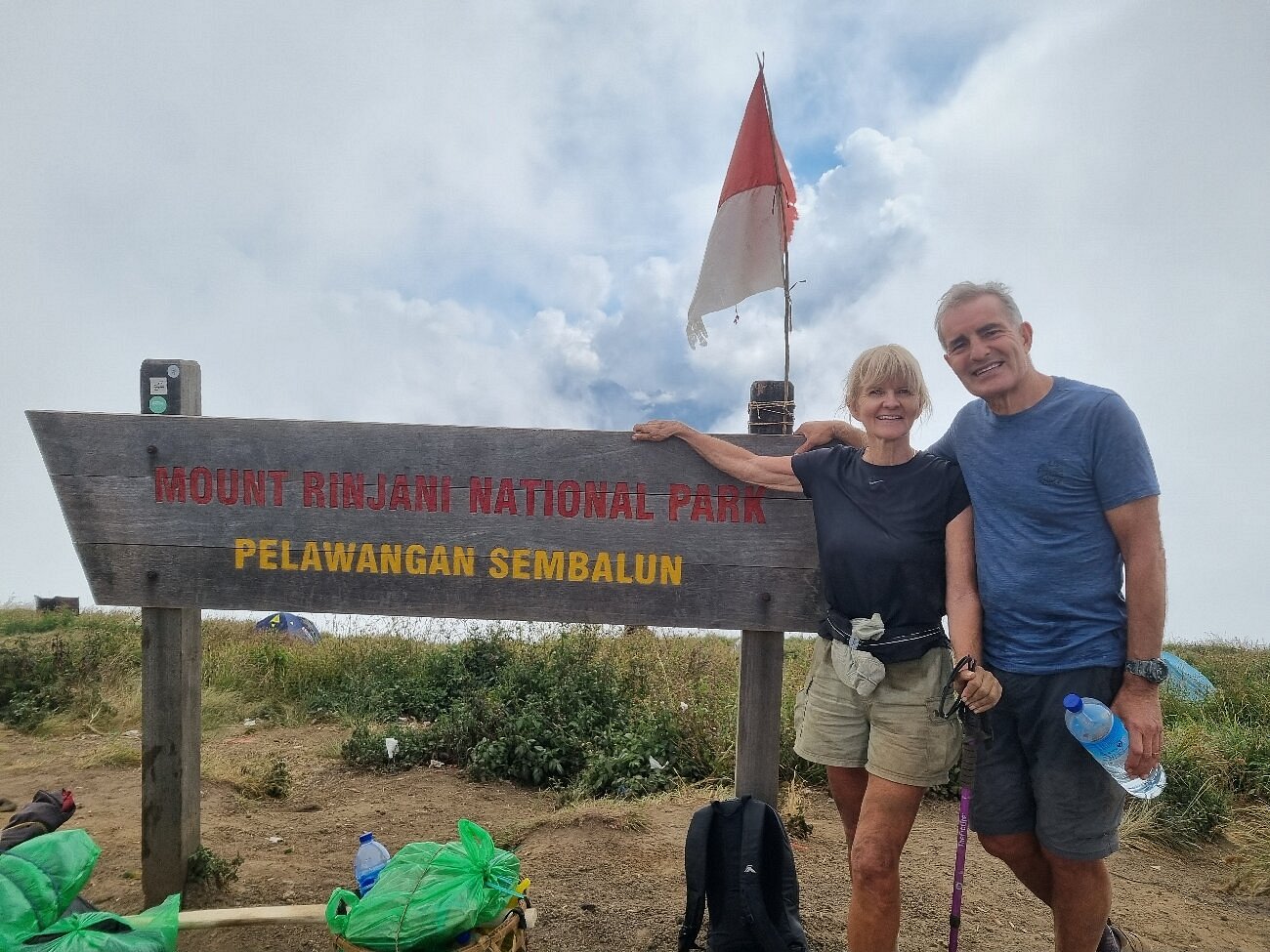
Higher sections of Rinjani can feel very cold, particularly during the night and before sunrise, so adequate warm clothing is important.
- Food and Personal Supplies
- Drinking water according to your trekking program
- Energy snacks such as chocolate, nuts, biscuits, or energy bars
- Personal medication
- Basic toiletries
- Sunscreen and lip balm
- Sunglasses
- Tissues or wet wipes
If your trekking package includes a guide, porters, meals, and cooking equipment, confirm exactly what the operator provides before packing.
- Important Personal Documents
Keep your booking confirmation and necessary identification or travel documents safely accessible. Follow the requirements of the trekking operator and Rinjani National Park.
- Prepare Mentally
Rinjani trekking requires patience and determination. Some sections may take longer than expected because of weather, trail conditions, or your physical condition. Be prepared to walk at a steady pace, take breaks, and follow your guide’s instructions.
Final Preparation
Before leaving for the mountain, check your equipment, weather conditions, route status, health condition, and meeting arrangements. Avoid carrying unnecessary items, but do not sacrifice essential safety equipment to reduce your pack weight.