
Rinjani Trekking Equipment Preparation – What Need to Bring
Rinjani Trekking equipment preparation is one important steps trekking mount rinjani. The weather serrounding mount rinjani warm the day, cold at nights, and strong winds near the summit. Having the proper gear will help keep you comfortable, safe, and ready to enjoy the adventure.
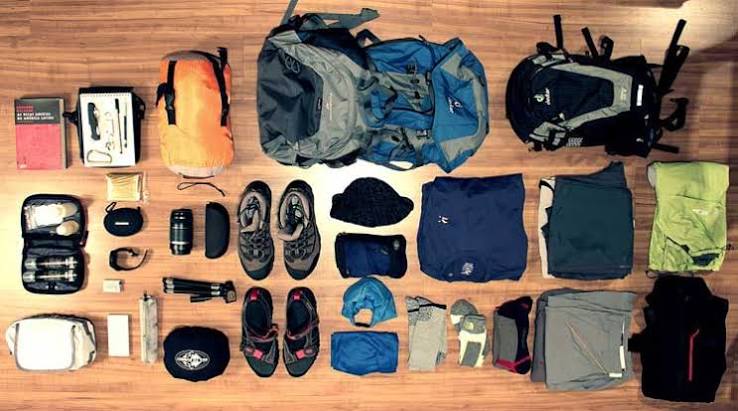
Essential Clothing to bring for trekking Mount Rinjani
- Moisture-wicking hiking shirts (2–3 pieces)
- Hiking pants or quick-dry trousers
- Warm fleece or insulated jacket
- Waterproof rain jacket or poncho
- Thermal base layer (recommended for summit treks)
- Comfortable underwear and extra socks (2–3 pairs)
- Gloves for cold mornings
- Warm hat or beanie
- Sun hat or cap
- Buff or neck gaiter
Footwear trekking equipment
- Sturdy hiking boots with good grip
- Comfortable camp sandals or lightweight shoes
- Gaiters (optional rainy season)
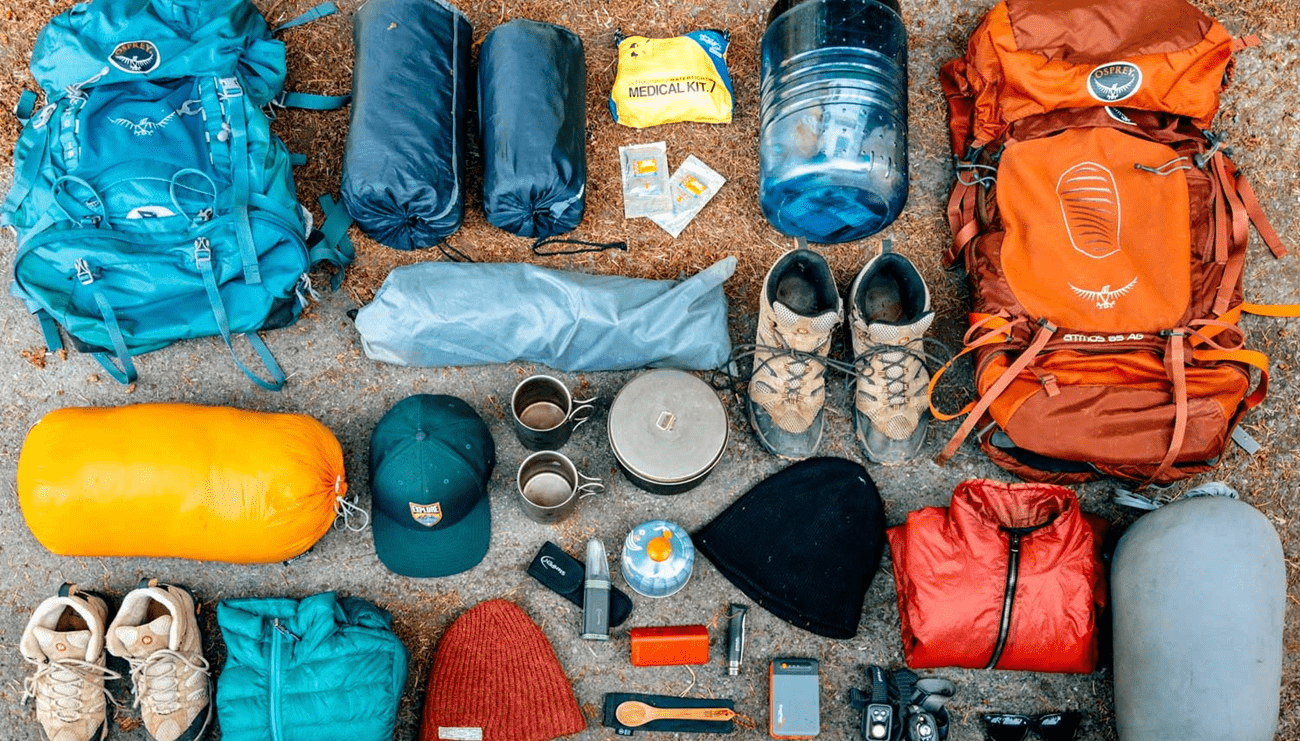
Backpack Rinjani Trekking
- 20–35L daypack for personal belongings
- Rain covers for your backpack
- Dry bags or waterproof packing bags
Sleeping Equipment operators provide:
- Tent
- Sleeping bag
- Sleeping mattress
- Camping pillow (available with some operators)
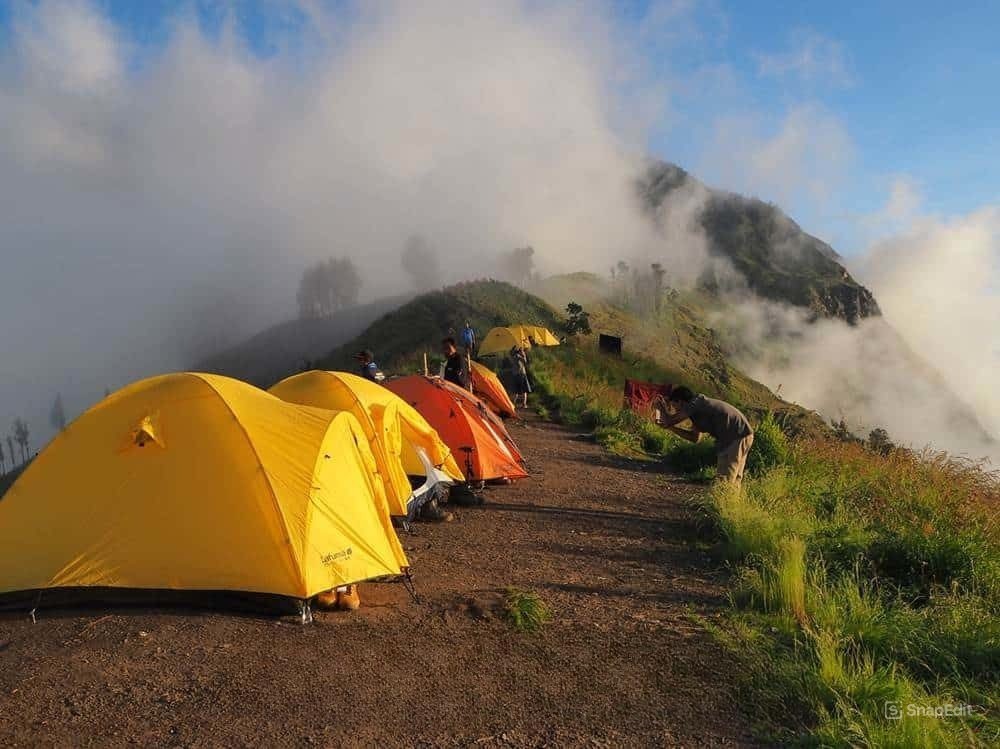
Personal Items Rinjani Trekking
- Headlamp or flashlight (with spare batteries)
- Reusable water bottles or hydration bladder (2–3 liters total)
- Sunglasses with UV protection
- Sunscreen (SPF 30+ or higher)
- Lip balm with SPF
- Personal toiletries
- Quick-dry towel
- Wet wipes and hand sanitizer
- Toilet paper
Food & Snacks Preparation
Your trekking package usually includes meals, bring your own:
- Energy bars
- Chocolate
- Trail mix
- Dried fruit
- Electrolyte powder or tablets
Personal Medication Rinjani Trekking
- Personal prescription medicine
- Pain relievers
- Blister plasters
- Motion sickness tablets
- Basic first aid supplies
- Insect repellent
Electronics Rinjani Trekking Equipment Preparation
- Mobile phone
- Power bank
- Charging cable
- Camera or action camera (optional)
Optional trekking equipment
- Trekking poles
- Small camera tripod
- Binoculars
- Lightweight travel pillow
- Notebook or journal
Equipment Provided by Trekking Operators
- Camping tent
- Sleeping bag
- Sleeping mattress
- Dining tent
- Cooking equipment
- Meals and drinking water
- Experienced trekking guide
- Porters to carry camping equipment and food
- First aid kit
Packing Tips
- Pack as lightly as possible to make hiking easier.
- Store electronics and spare clothing in waterproof bags.
- Wear layers, adjust to changing temperatures.
- Keep frequently used items like your rain jacket, snacks, water, and headlamp easily accessible.
- Test your hiking boots to avoid blisters.
Cooking Equipment for trekking Mount Rinjani
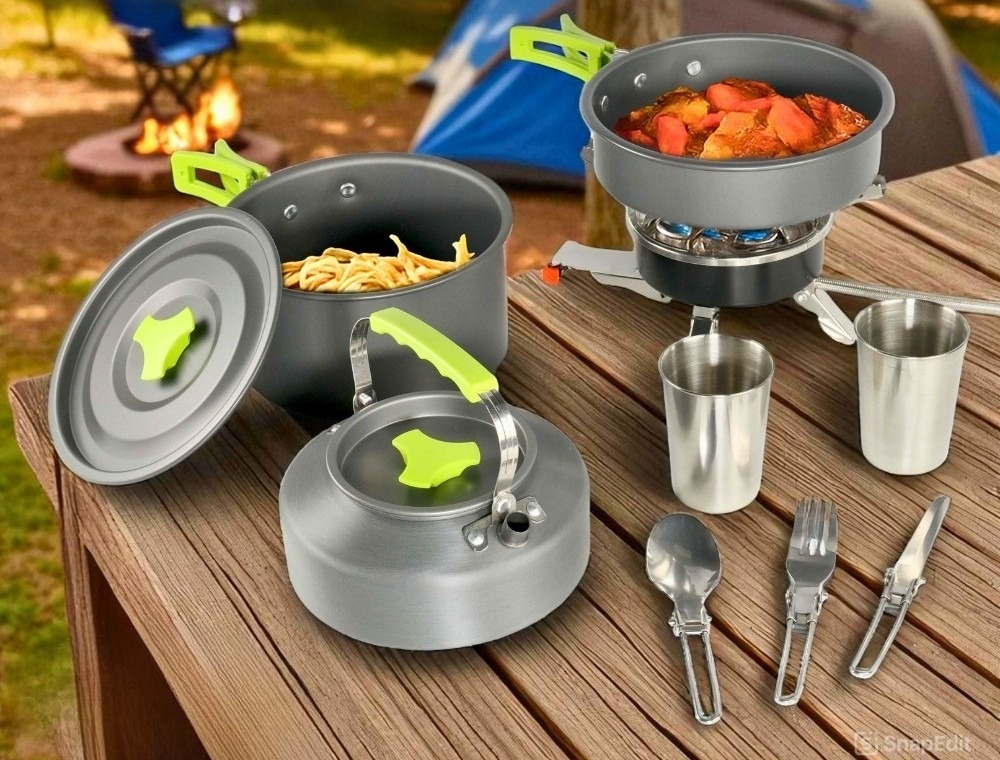
Standard Cooking operators provide:
- Portable camping stove (gas-powered)
- Gas canisters/fuel
- Cooking pots in various sizes
- Frying pan
- Kettle for boiling water
- Rice pot
- Cooking utensils (spatula, ladle, serving spoon)
- Sharp kitchen knife
- Cutting board
- Plates and bowls
- Cups or mugs
- Spoons, forks, and chopsticks
- Food storage containers
- Cooler bag or insulated food container (for fresh ingredients)
- Dishwashing basin
- Biodegradable dish soap
- Cleaning sponge and drying cloth
- Trash bags for packing out all waste
Food prepare & bring by Porter
- Fresh vegetables
- Rice or noodles
- Eggs
- Chicken or fish (depending on the itinerary)
- Soup
- Fresh fruit
- Coffee, tea, and hot chocolate
Camp Dining Setup (trekking equipment)
- Dining tent (for larger groups)
- Folding camping table
- Camping stools or lightweight chairs (operator-dependent)
- Food serving table
Safety Equipment Responsible operator carry:
- Windshield for the camping stove
- Fire starter or waterproof matches
- First aid kit
- Clean water containers for cooking and drinking
Leave No Trace
Professional trekking teams follow responsible camping practices by:
- Carrying all cooking equipment back down the mountain.
- Packing out all food waste and rubbish.
- Using reusable cookware and utensils
- Keeping campsites clean to help preserve the natural beauty of Mount Rinjani.
Fresh Ingredients
- Rice
- Noodles
- Eggs
- Chicken or fish
- Fresh vegetables
- Tofu or tempeh
- Bread
- Fresh fruits bananas, oranges, or watermelon
- Coffee, tea, hot chocolate, and drinking water
Typical Daily Meals provide by Lombok Travel Agency
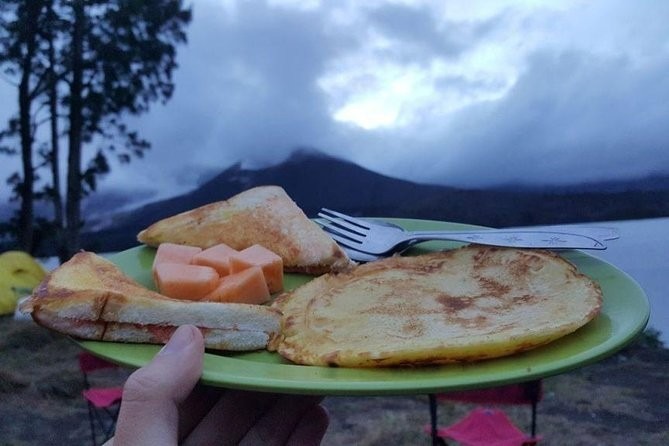
Breakfast
- Fried rice or fried noodles
- Omelets or scrambled eggs
- Toast with jam or chocolate spread
- Pancakes
- Fresh fruit
- Coffee, tea, or hot chocolate
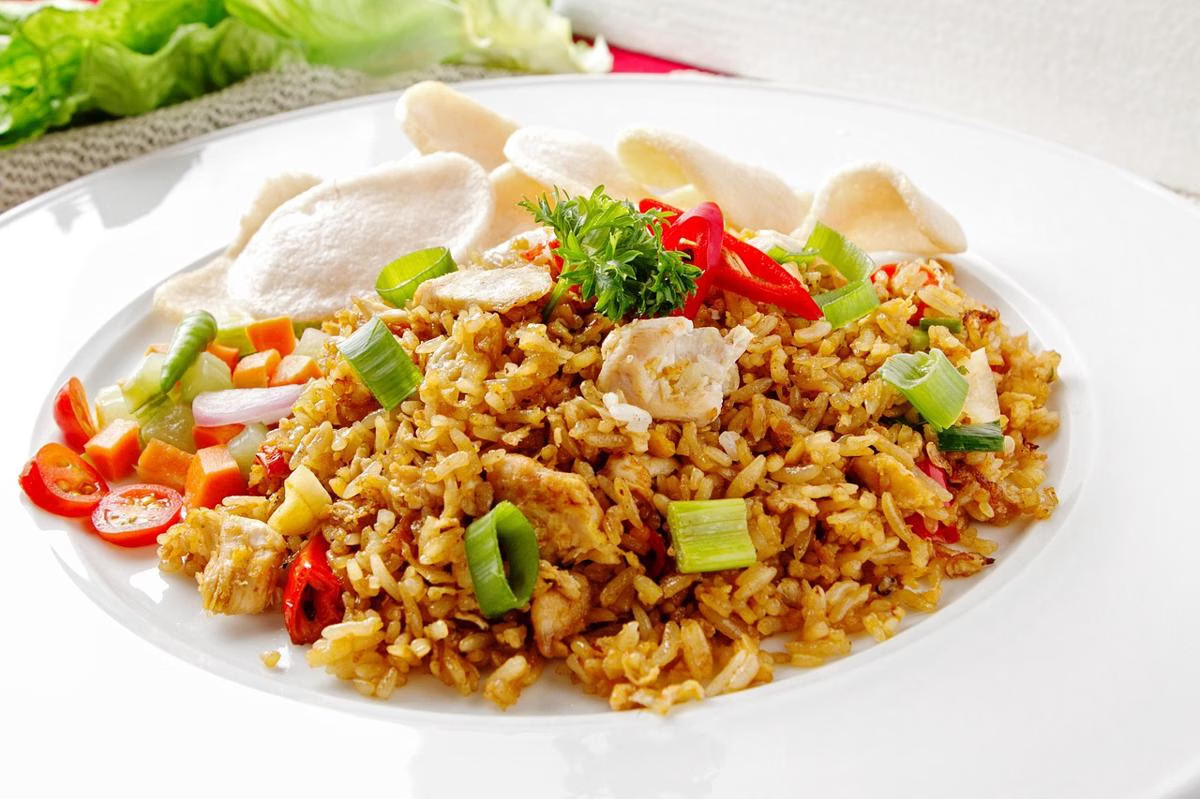
Lunch
- Fried rice with chicken or vegetables
- Noodles with vegetables and eggs
- Sandwiches
- Fresh fruit
- Biscuits or cookies
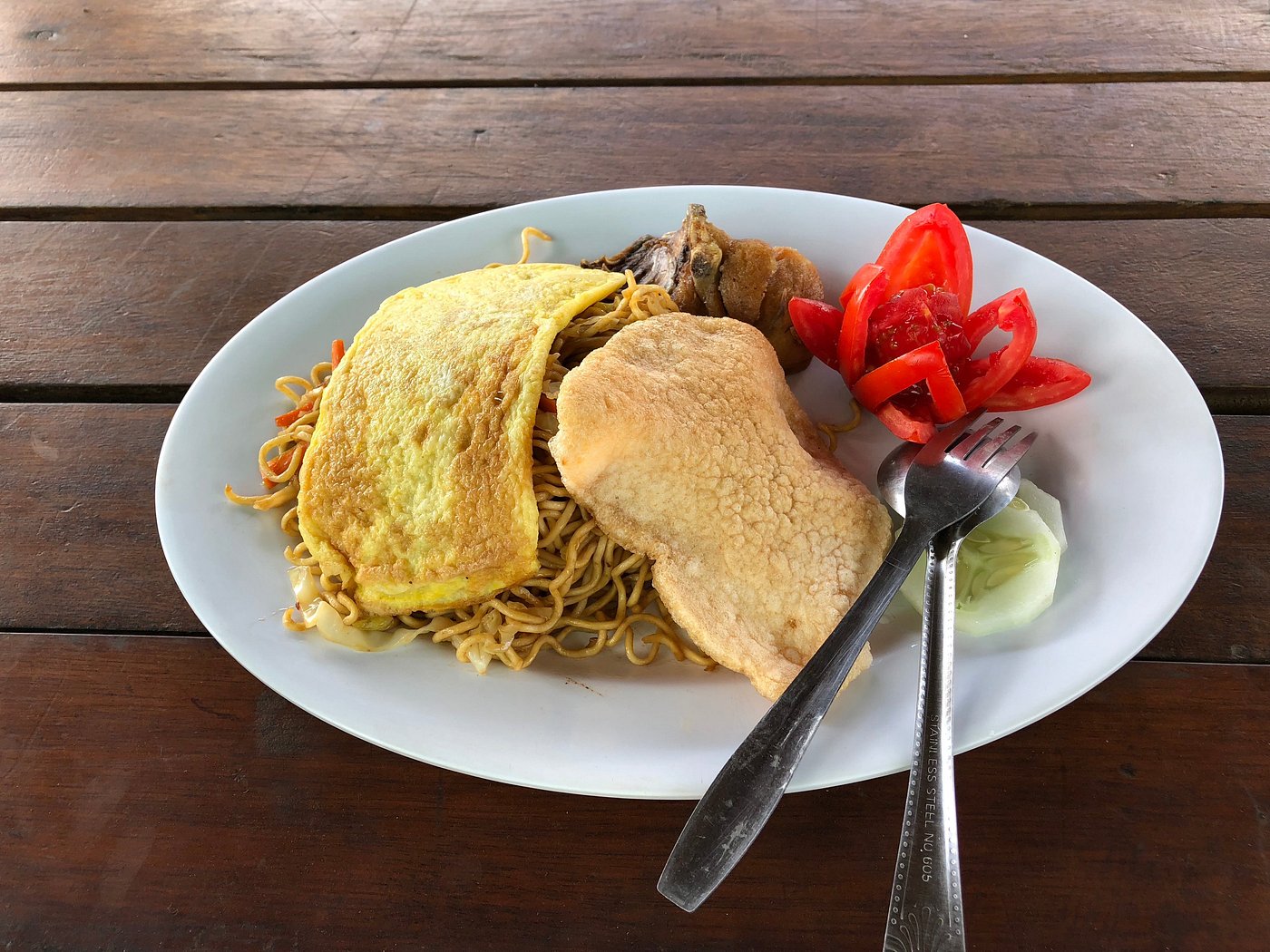
Dinner
- Rice with grilled or fried chicken
- Vegetable soup
- Stir-fried vegetables
- Curry dishes
- Pasta or noodles
- Fresh fruit for dessert
Snacks
- Biscuits
- Chocolate
- Energy bars
- Fresh fruit
- Peanuts or trail mix
- Hot drinks at camp
Food Safety
- Using clean cooking equipment
- Preparing meals fresh at the campsite
- Storing ingredients properly
- Boiling water for cooking and hot drinks
- Washing cookware after every meal
Special Dietary Requirements trekking
- Vegetarian meals
- Vegan meals
- Gluten-free options
- Halal meals
- Allergy-friendly meal preparation
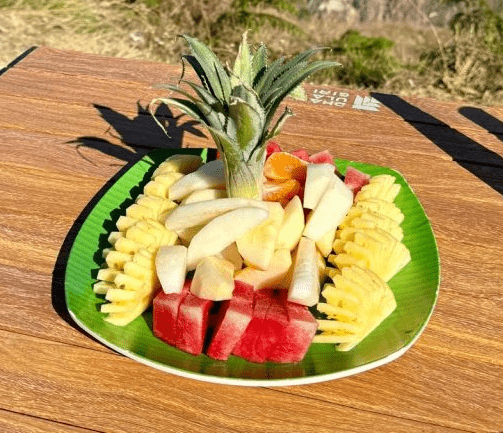
Fruit salad:
- pineapple
- watermelon
- Papaya
Tips for Trekkers
- Eat much breakfast
- Stay hydrated by drinking water regularly throughout the trek.
- Carry a few personal snacks for extra energy on steep sections.
- Avoid skipping meals, your body needs calories for recovery.
- Bring electrolyte tablets or powder to help replace minerals lost through sweating.
Well-planned meals and proper food help keep you energized, support recovery after long hiking days, and make your trekking experience more enjoyable from start to finish.