
Mount Rinjani Trekking Center – Gateway to an Unforgettable Adventure
Mount Rinjani Trekking Center serves as the starting point for travelers seeking to explore the majestic slopes of Mount Rinjani, Indonesia’s second-highest volcano. Located on the beautiful island of Lombok, the trekking center provides essential information, trekking permits, professional guides, porters, transportation, and complete trekking packages for hikers of all experience levels.
Whether you are planning a challenging summit trek, a crater rim, or a multi-day expedition to Segara Anak Lake, the trekking center helps ensure a safe, organized, and memorable journey. Visitors can receive guidance on route options, equipment preparation, weather conditions, and national park regulations before beginning their trek.
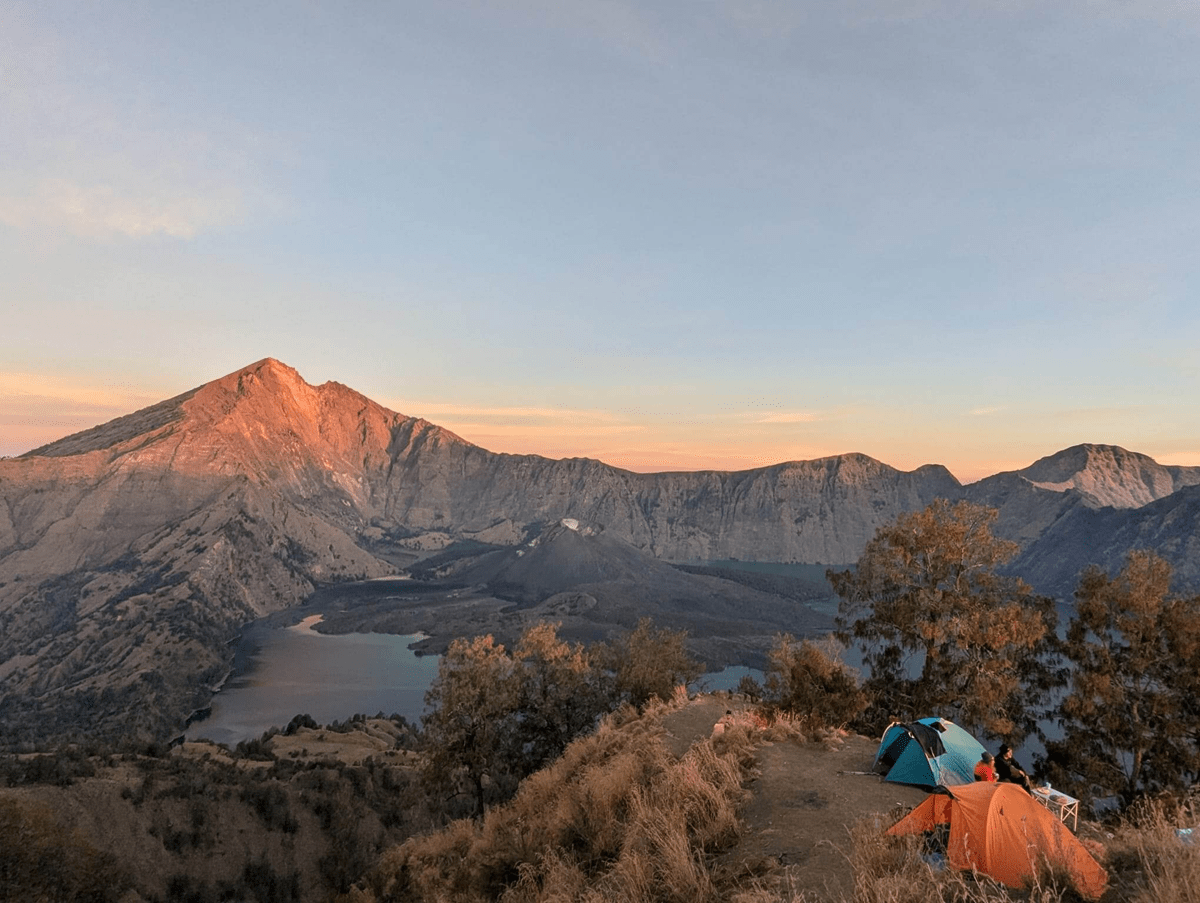
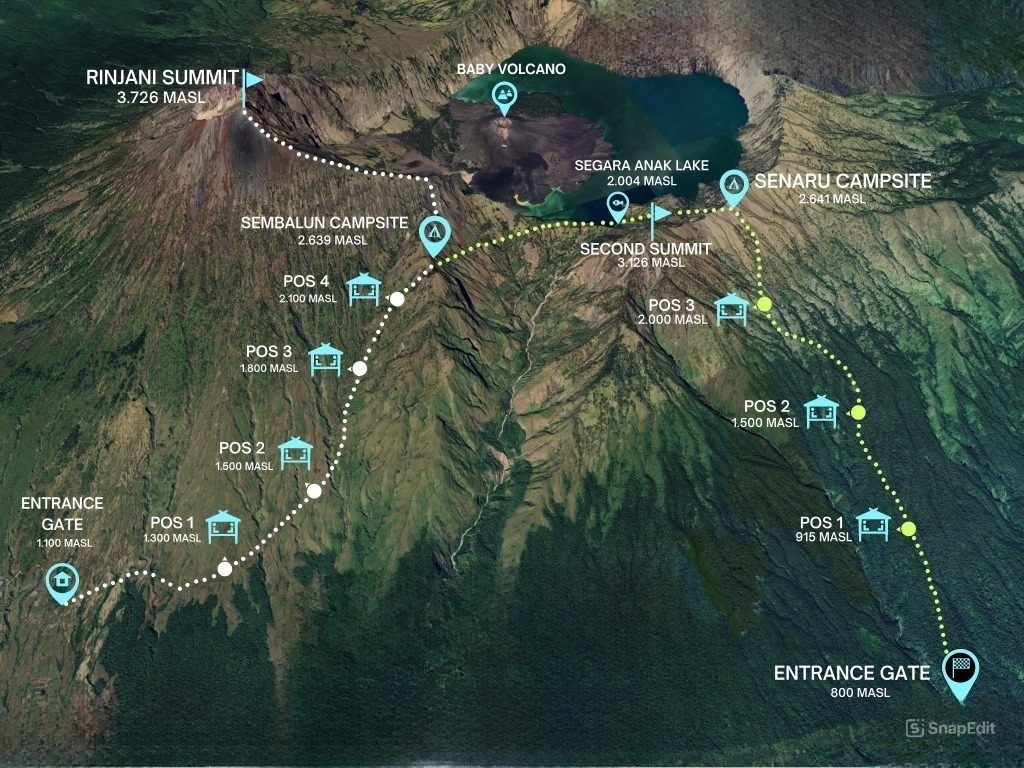
Route Trek Mount Rinjani:
- Sembalun Route – Best for reaching the summit.
- Senaru Route – Famous for scenic forests and crater rim views.
- Summit & Crater Rim Treks – Ideal for adventure seekers.
- Segara Anak Lake Treks – Perfect for those wanting to experience the volcanic lake and hot springs.
Highlight Trek Mount Rinjani
The highlights of trekking Mount Rinjani include breathtaking sunrise views, panoramic landscapes, the stunning Segara Anak crater lake, natural hot springs, and unforgettable camping experiences above the clouds.
A reliable trekking center ensures professional service, experienced local guides, quality camping equipment, and a commitment to environmental conservation, allowing trekkers to enjoy one of Indonesia’s most spectacular mountain adventures safely and responsibly.
For nature lovers, photographers, and adventure enthusiasts, Mount Rinjani Trekking Center is the perfect gateway to discovering the wonders of Mount Rinjani.
Mount Rinjani is not just a mountain — it is one of the most authentic and challenging trekking experiences in Southeast Asia. Rising to 3,726 meters above sea level, Mount Rinjani offers a rare journey through dramatic volcanic landscapes, sacred cultural sites, and untouched high-altitude wilderness that few mountains in the region can match.
Recognized by Lonely Planet as one of the Top 7 Best Treks on Earth, Rinjani attracts trekkers who seek more than scenery — those looking for real adventure, physical challenge, and meaningful connection with nature. From rainforest trails and open savannahs to dramatic crater rims overlooking Segara Anak Lake and the active Barujari volcano, every step on Rinjani feels earned and unforgettable.
This complete Mount Rinjani Guide for travelers who want to plan an authentic, safe, and responsible trekking experience. Inside, you’ll find clear and updated information on Mount Rinjani regulations, official trekking routes, permit quotas, ticket prices, safety guidelines, and environmental rules, all explained in a practical and easy-to-understand way.
Whether you are preparing for your first Rinjani trek or looking to understand the mountain before choosing the right route and program, this guide helps you trek smarter, safer, and with full respect for one of Indonesia’s most iconic mountains
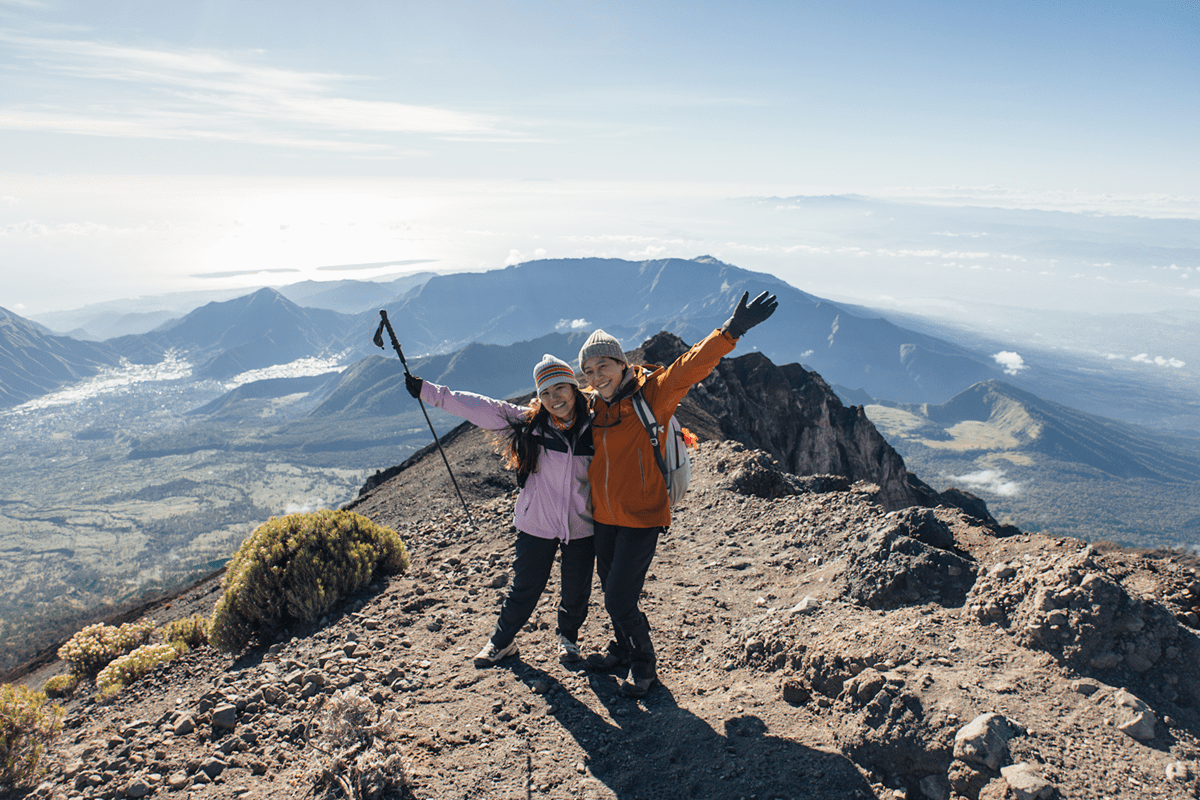
The reason trek Mount Rinjani Lombok
Mount Rinjani is more than a climb — it is one of the last truly authentic trekking experiences in Indonesia. In 2026, trekking Mount Rinjani offers a rare combination of raw volcanic landscapes, strict conservation policies, and meaningful cultural encounters that are becoming increasingly rare in popular mountain destinations.
The journey takes trekkers through a powerful transition of landscapes: from dense tropical rainforest and wide savannah hills to sharp volcanic ridges and sacred crater viewpoints. At the crater rim and summit, hikers are rewarded with sweeping views of Segara Anak Lake, the active Mount Barujari rising from its center, and — on clear days — the distant Indian Ocean surrounding Lombok Island.
What makes Rinjani especially compelling in 2026 is not only its beauty, but the way it is protected. Limited daily trekking quotas, mandatory licensed guides, and a strengthened Zero Waste policy have made the mountain cleaner, safer, and less crowded than in previous years. This ensures that every step feels earned, immersive, and respectful to the mountain’s fragile ecosystem.
The trek remains demanding — steep ascents, long summit pushes, and unpredictable weather are part of the experience — but this challenge is exactly what defines Rinjani’s character. It is the balance of physical effort, untouched nature, and deep cultural significance that continues to place Mount Rinjani among the world’s most rewarding trekking destinations.
Mount Rinjani as a UNESCO Global Geopark
In April 2018, Mount Rinjani was officially designated as part of the UNESCO Global Geopark Network, recognizing its outstanding geological diversity, natural beauty, and deep cultural significance.
The Rinjani–Lombok Geopark covers more than 40,000 hectares and includes volcanic formations, waterfalls, rivers, forests, and agricultural villages. This designation highlights sustainable tourism — protecting the mountain’s fragile environment while supporting the livelihoods of local communities.
The Geopark also promotes education, scientific research, and eco-tourism under the supervision of the Rinjani–Lombok Geopark Authority, working in collaboration with Mount Rinjani National Park (TNGR).
Mount Rinjani National Park (TNGR)
Mount Rinjani National Park, officially known as Taman Nasional Gunung Rinjani (TNGR), was established in 1997 to protect the mountain’s fragile ecosystem and regulate all trekking and tourism activities.
Covering approximately 41,330 hectares, the park encompasses a wide range of ecosystems, from tropical rainforest and savannah to subalpine and alpine zones. This diversity supports rich wildlife, including long-tailed macaques, ebony leaf monkeys, deer, and rare bird species such as the Rinjani scops owl.
TNGR plays a crucial role in balancing conservation, safety, and sustainable tourism, ensuring that Mount Rinjani remains protected while still accessible to responsible trekkers from around the world.
Official Trekking Mount Rinjani Regulations
To protect the environment and ensure visitor safety, TNGR enforces strict trekking regulations:
- Daily trekking quota: 400 trekkers
- 240 international visitors
- 160 Indonesian nationals
All visitors must register through an official trekking operator and obtain a valid Rinjani Trekking Pass issued by the National Park.
Entrance Fees
- Foreign visitors: IDR 250,000 per person per day
Indonesian visitors:
- IDR 75,000 (weekends)
- IDR 30,000 (weekdays)
Trekking Season (mount rinjani trekking center)
- Open season: April to December
- Closed season: January to March (rainy season and ecosystem recovery period)
Alternative Trekking Routes of Mount Rinjani
In addition to the main routes, there are several lesser-known trails that offer different perspectives of Mount Rinjani. These routes are not commonly used for standard trekking programs but can be explored for special or customized trips.
- Tetebatu Route (Cultural & Eco Trek): soft trekking route on the southern side of Rinjani, focusing on village life, rice fields, and nature experiences.
- Timbanuh Route (Hidden Trail): A quiet and less explored route offering remote jungle landscapes and a more adventurous trekking experience.
- Aik Berik Route (Waterfall Trail): Known for its waterfalls and lush forest, this route is ideal for light trekking and nature exploration rather than summit climbing.
Segara Anak Lake and Hot Springs (mount rinjani trekking center)
Segara Anak Lake is one of the most iconic features of Mount Rinjani. Its name means “Child of the Sea,” reflecting its deep blue color that resembles the ocean. The lake lies at approximately 2,000 meters above sea level, filling the vast caldera formed by ancient volcanic eruptions.
Rising from the center of the lake is Mount Barujari, an active volcanic cone that last erupted in 2016. Nearby are the Aiq Kalak hot springs, where trekkers can soak and relax after long days on the trail.
Spiritual and Cultural Importance
Segara Anak Lake is sacred to both the Sasak people and Balinese Hindus. Each year, Balinese Hindus perform the Mulang Pekelem Ceremony, offering symbolic items to maintain balance between nature and human life.
Trekkers are expected to respect local beliefs:
- No swimming or bathing in the lake
- Speak softly and behave respectfully in sacred areas
Cultural and Spiritual Significance (mount rinjani trekking center)
- For the people of Lombok, Mount Rinjani is more than a physical landscape — it is a sacred realm. According to Sasak belief, the mountain is the dwelling place of Dewi Anjani, the Queen of the Spirits and guardian of the island. She is believed to protect the mountain and guide those who climb it with pure intentions and humility.
- For Balinese Hindus, Rinjani is also deeply sacred, regarded as second only to Mount Agung in Bali. Rituals such as Mulang Pekelem and smaller offerings at Segara Anak Lake reflect centuries of spiritual devotion and respect for natural balance.
- This deep fusion of faith, nature, and mythology makes Rinjani not only a geological wonder, but a living symbol of harmony between humans and the environment.
Role of Rinjani Trekking Guides (mount rinjani trekking center)
Licensed trekking guides are responsible for managing the entire journey on the mountain. Their experience and local knowledge play a key role in ensuring safety and smooth trekking operations.
Main responsibilities:
- Route navigation and trekking coordination
- Safety supervision and basic first aid
- Weather monitoring and decision-making
- Managing trekking pace and group condition
Role of Porters Trekking
Porters are the backbone of every trekking expedition on Mount Rinjani. They handle the logistical side of the journey, allowing trekkers to hike with minimal load.
Porters responsible:
- Carrying camping equipment, food, and water (up to 20–25 kg per person)
- Setting up tents and preparing meals
- Managing cooking equipment and supplies
- Ensuring all waste is carried back down (Zero Waste policy)
- porterscarry around 5–8 kg, making the trek more comfortable and manageable.
Tipping Guidelines for Guides and Porters
- Around IDR 200,000 per trekker, shared among the team
Supporting Local Communities serround Mount Rinjani
Guides and porters are not just part of the trekking team — they are the heart of the Rinjani experience. Most come from local villages around the mountain, and trekking activities provide essential income for their families.
By trekking with licensed teams, you contribute directly to:
- Local people and economy life serround Mount Rinjani
- Sustainable tourism practices
- Preservation of traditional knowledge and skills
Facilities Are Available on Mount Rinjani during trekking will accept
- Portable toilet tent
A private toilet tent is set up at the campsite. Waste is handled responsibly following environmental guidelines. - Camping equipment
Tents, sleeping bags, and mattresses - Meals and cooking service
Fresh meals, snacks, tea, and coffee are prepared daily by the trekking team. - Water supply
Drinking water is carried from the village, while additional water for cooking is collected from mountain springs.
NOT Available on Mount Rinjani
- No permanent toilets or bathrooms
- No showers or washing facilities
- No electricity or charging stations
- No shops, restaurants, or shelters
Preparation and Safety Tips
Physical Preparation
- Rinjani involves long hiking hours, steep ascents, and uneven terrain
- Basic fitness is essential — regular walking, hiking, or cardio training is highly recommended before your trip
- Be prepared for early summit hikes and changing weather conditions
Essential Gear to Bring
- Proper hiking shoes with good grip
- Warm layered clothing (temperature can drop to 0–3°C near the summit)
- Rain jacket and windproof layer
- Headlamp or flashlight for early morning hikes
- Gloves, hat, and sun protection
- Trekking poles (recommended for stability)
On the Trail
- Drink at least 3 liters of water per day to stay hydrated
- Walk at a steady pace and follow your guide’s instructions
- Take regular breaks and listen to your body
- Never leave the group or marked trekking paths
Safety Tips
- Weather conditions on Rinjani can change quickly
- Avoid rushing, especially during summit attempts
- Inform your guide immediately if you feel unwell or exhausted
- Always prioritize safety over reaching the summit
Mount Rinjani Trekking Insurance Updated 2026
Before trekking Mount Rinjani, every hiker must have valid insurance coverage.
There are two types of insurance available: the basic insurance included in the trekking permit and the premium trekking insurance (optional add-on).
- The basic insurance is includes but provides limited coverage.
- The premium insurance offers extended protection, such as emergency evacuation, and is required if you do not have your own travel insurance.
Understanding the difference between these two options will help you choose the right protection for a safe and well-prepared trekking experience.
Basic Rinjani Trekking Insurance (Included)
| Coverage Type | Amount |
| Accident Death | IDR 30,000,000 |
| Manual Evacuation | IDR 10,000,000 |
| Basic Medical | IDR 4,000,000 |
Included in trekking permit Limited Coverrage (basic protection)
Premium Trekking Insurance (Recommended)
| Coverage Type | Details |
| Medical Treatment | Up to IDR 20,000,000 |
| Accident Death | Up to IDR 300,000,000 |
| Ground Evacuation | Up to IDR 15,000,000 |
| Helicopter Evacuation | Up to IDR 260,000,000 |